
Getting a dental crown is one of the most common restorative procedures we perform at Van Nuys Panorama Dental Center. If you live in or near Valley Glen and are curious about your temporary crown — what to eat, clean, and expect — you’re in the right place. Dr. Naziri and our team guide patients through every step. Understanding the temporary crown phase makes the whole process much smoother.
A temporary crown protects your prepared tooth while the dental lab crafts your permanent one. It is not built to last forever, but it plays a critical role. Treating it with care helps you avoid discomfort and delays. Read on to learn exactly how to handle it.
What Is a Temporary Crown and Why Does It Matter?
After Dr. Naziri prepares your tooth, it needs protection right away. A temporary crown is placed on the same visit to cover the exposed tooth. It holds your bite in place and shields the tooth from temperature and bacteria. Without it, your tooth would be vulnerable and very sensitive.
Temporary crowns are made from a softer material than permanent ones. That material is designed to be easy to remove when your final crown is ready. Because it is not as strong, you need to treat it differently than a natural tooth. Think of it as a placeholder — important but fragile.
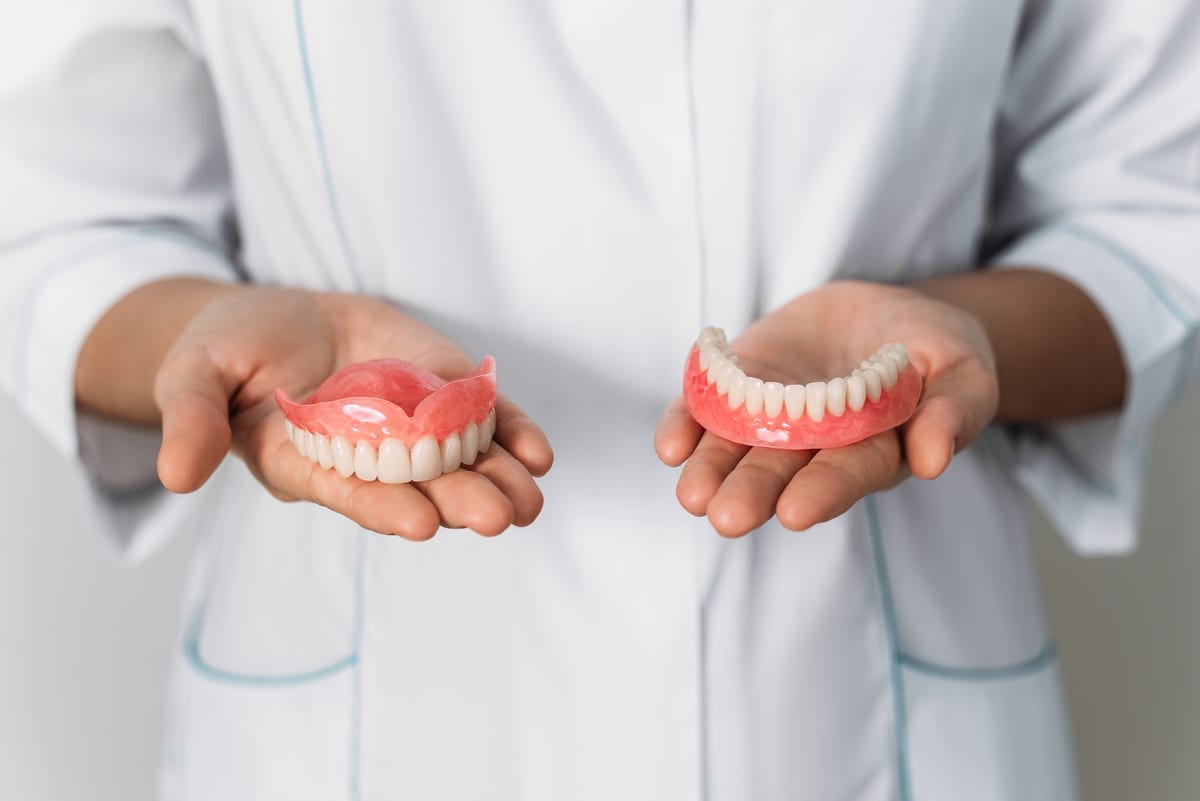
Your permanent crown, often made from porcelain or ceramic, is part of our Cosmetic Dentistry approach to restoring both function and aesthetics. The temporary version gets you safely through the waiting period. Respecting its limitations protects both your comfort and your treatment timeline.
What to Eat — and What to Avoid — With Your Temporary Crown in Valley Glen
Diet is one of the biggest concerns during the temporary crown phase. The right food choices protect the crown and your prepared tooth underneath. The wrong choices can pull the crown off or damage it. Here is a simple guide to follow.
Foods that are safe to eat:
- Soft cooked vegetables like carrots or broccoli
- Eggs, yogurt, and soft cheeses
- Pasta, rice, and soft bread
- Bananas, applesauce, and ripe melon
- Tender fish or shredded chicken
Foods to avoid completely:
- Sticky candy, caramel, and chewing gum
- Hard foods like raw apples, nuts, and popcorn
- Crunchy chips or crusty bread
- Tough meats that require heavy chewing
- Ice — never chew on it
Try to chew on the opposite side of your mouth when possible. This small habit reduces stress on your temporary crown significantly. Many Valley Glen patients find it easy to adjust once they get used to it. A few weeks of mindful eating is well worth the final result.
How to Clean Your Temporary Crown Without Damaging It
Oral hygiene does not stop during the temporary crown phase. In fact, keeping the area clean is essential for your gum health and the success of your final crown. You just need to adjust your technique slightly. Dr. Naziri recommends a gentle but consistent approach.
Brush around the temporary crown using a soft-bristled toothbrush. Use gentle circular motions rather than scrubbing back and forth. Avoid pressing too hard near the gumline of the crowned tooth. Toothpaste with whitening agents or heavy abrasives should be avoided during this time.
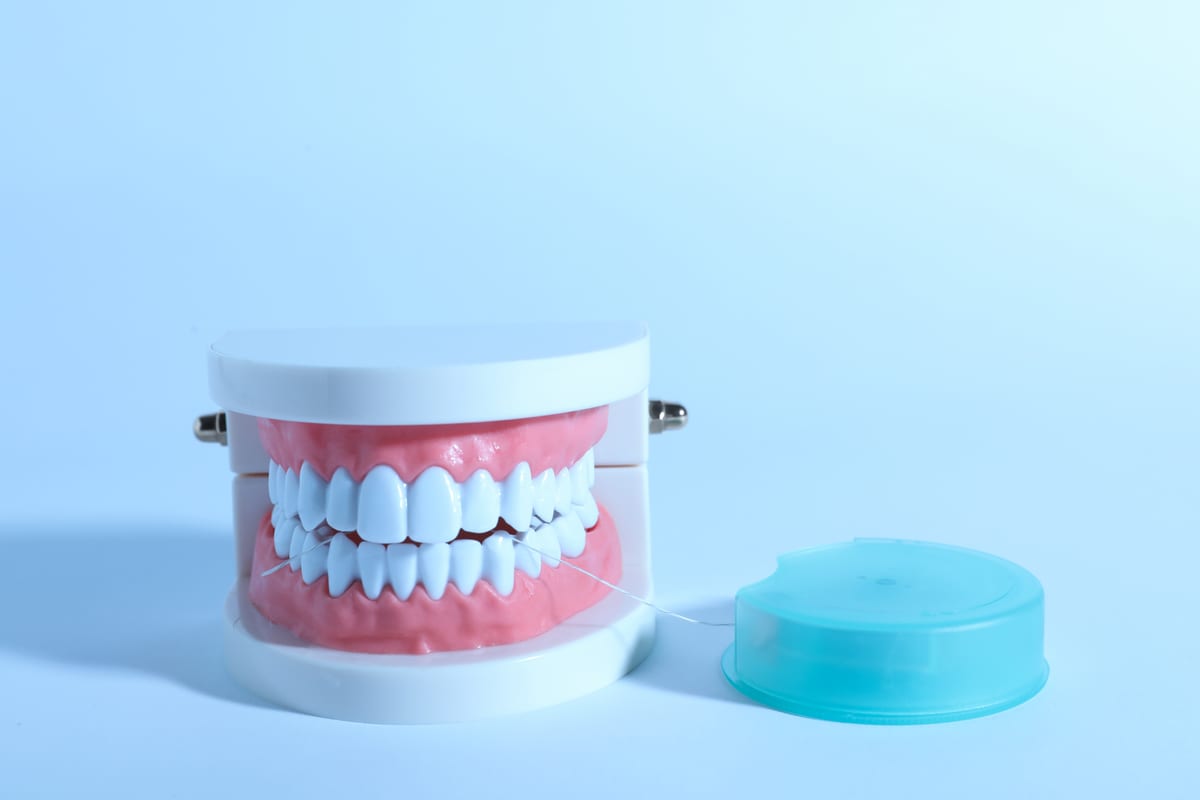
Flossing requires a little extra care around a temporary crown. Instead of snapping the floss up and down, slide it out sideways. Pulling upward too forcefully can dislodge the temporary crown. Once floss is between your teeth, clean gently and then ease it out to the side.
Rinsing with an antiseptic mouthwash can help keep the area bacteria-free. Ask Dr. Naziri which rinse is best suited for your situation. Skipping cleaning because you are nervous about the crown is never a good idea. Neglecting hygiene can lead to gum irritation that complicates your final placement.
What to Do If Your Temporary Crown Falls Off
It happens more often than you might think — temporary crowns do sometimes come loose. Do not panic if this occurs. There are clear steps you can follow to handle it calmly. Acting quickly protects your exposed tooth from sensitivity and damage.
First, retrieve the crown if possible and rinse it gently with water. Do not try to force it back on yourself without guidance. Call Van Nuys Panorama Dental Center right away to let us know. Dr. Naziri’s team will advise you on next steps and fit you in quickly.
In some cases, a temporary dental cement available at pharmacies can hold it in place briefly. This is only a short-term option — not a permanent fix. Getting back to our office for proper re-cementation is essential. Leaving the tooth exposed for too long causes sensitivity and possible shifting.
If the crown broke rather than fell off, keep the pieces and bring them in. Do not try to reattach a broken temporary crown on your own. Our team handles these situations regularly and will sort it out quickly. We offer emergency care when time-sensitive dental issues arise.
How Long Will You Have Your Temporary Crown in Valley Glen?
Most patients wear their temporary crown for two to three weeks. This timeframe allows the dental lab to fabricate your permanent crown with precision. The exact timeline depends on the complexity of your case and lab scheduling. Dr. Naziri will give you a specific estimate at your appointment.
During this waiting period, try to keep a few things in mind. Avoid skipping your follow-up appointment — even if the temporary feels fine. Permanent crowns sometimes need slight adjustments for fit and bite. Showing up on time means you get your final crown without unnecessary delays.
Some patients at Van Nuys Panorama Dental Center also explore options like Dental Implants when planning their overall smile restoration. Implants and crowns are often used together for complete tooth replacement. Discussing your full treatment plan with Dr. Naziri helps you understand every stage and timeline clearly. Knowledge is one of the most powerful tools in your dental health journey.
Conclusion: Staying Comfortable Until Your Permanent Crown Is Ready
Your temporary crown — what to eat, clean, and expect in Valley Glen — does not have to feel overwhelming. With the right information, you can move through this phase with confidence and minimal discomfort. Dr. Naziri and the team at Van Nuys Panorama Dental Center are here to support you at every step. Following these simple guidelines protects your tooth, your investment, and your smile.
Stick to soft foods, clean gently, and reach out immediately if anything feels off. The temporary crown phase is short but important. Treat it with the care it deserves and your permanent crown will have the best possible foundation. Book Now to schedule your appointment with our team.
Frequently Asked Questions
Can I eat normally with a temporary crown?
You should adjust your diet while wearing a temporary crown. Stick to soft foods and avoid anything sticky, crunchy, or very hard. Chewing on the opposite side of your mouth helps protect the crown. Most patients find it easy to adapt within the first day or two.
How long does a temporary crown last?
Temporary crowns are designed to last two to three weeks on average. They are made from softer material than permanent crowns, so they are not meant for long-term use. If your permanent crown is delayed for any reason, contact Dr. Naziri’s office to discuss options. Do not leave a temporary crown in place longer than recommended.
What happens if my temporary crown falls off at night?
If your temporary crown falls off, stay calm and find it if you can. Rinse it gently and store it safely. Call Van Nuys Panorama Dental Center as soon as the office opens. In the meantime, over-the-counter temporary dental cement can protect the tooth briefly until your appointment.
Is it normal for a temporary crown to feel sensitive?
Yes, some sensitivity is completely normal after crown preparation. Your tooth has been reshaped, and the temporary material is less insulating than your natural enamel. Avoid extremely hot or cold foods and beverages to minimize discomfort. If sensitivity is severe or worsening, contact our office right away.
Can I floss around my temporary crown?
Yes, you can and should floss around your temporary crown — just with care. Slide the floss gently between teeth and ease it out sideways rather than snapping it upward. This prevents accidentally dislodging the crown. Keeping the area clean supports healthy gums and a smooth transition to your permanent crown.