

A sharp, shooting pain while chewing or sipping hot coffee. Does it sound familiar? If this is what you are experiencing, you may wonder if this is where root canal therapy comes in. Many equate root canals with pain, but it is actually a lifesaver for your tooth.
If left untreated, an infection or decay results in tooth loss. Root canal therapy aims to restore and save the tooth. Knowing when a root canal becomes necessary can help you avoid any further complications. Let’s look at the 5 signs you should never ignore.
What is a root canal, and why is it necessary?
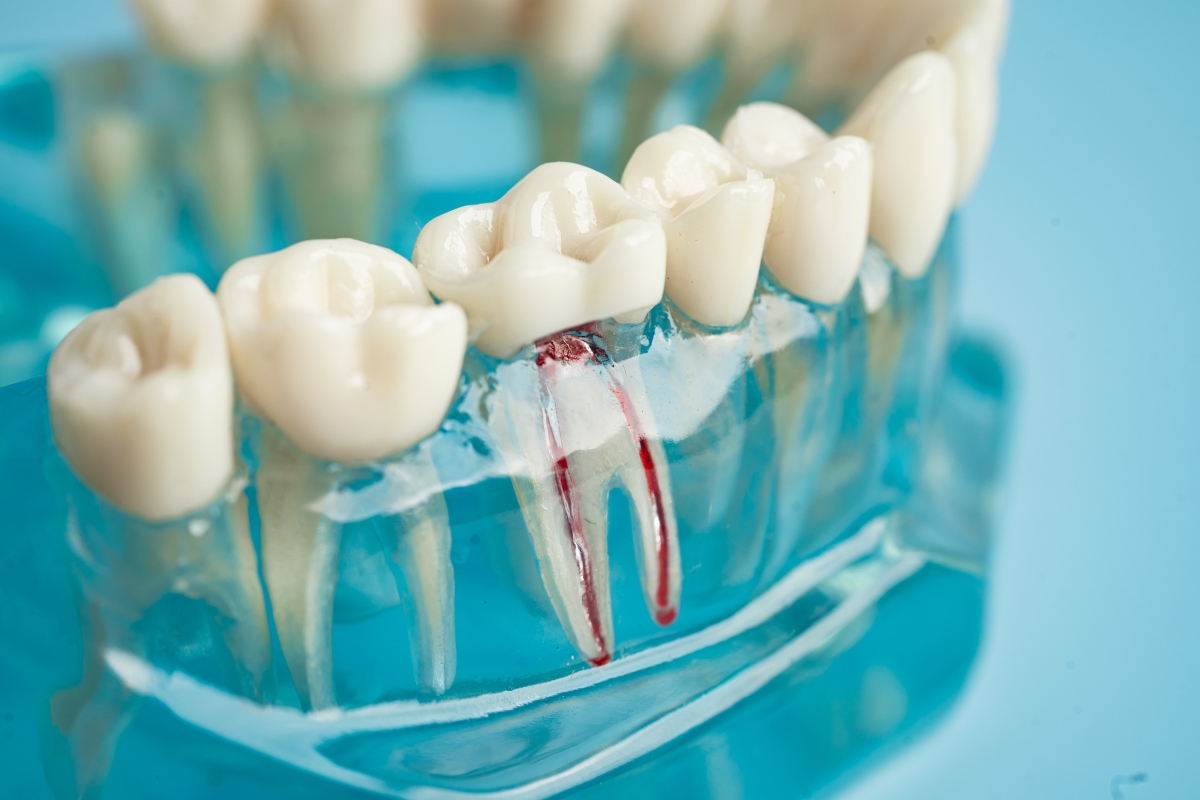
Root canal therapy is a treatment for the pulp of the tooth-also known as the inside of a tooth-that has become infected or damaged. The pulp contains nerves, blood vessels, and connective tissue that nourish your tooth. If this tissue becomes infected due to decay or injury, it can create immense pain and even abscesses.
During root canal therapy in Panorama City, the dentist takes out the infected pulp, cleans the area, and seals it to avoid further infection. This is usually the best course of treatment for saving a tooth that would otherwise have needed to be extracted.
Early treatment stops the spread of bacteria within the infection, allowing the tooth to continue functioning. It is thus the best way to restore a tooth and make sure your natural smile is retained.
5 Key Signs You May Need a Root Canal
Sign #1: Chronic pain in the tooth
These are signs of a deep infection and can be constant or sharp pains, especially while chewing food and applying pressure. The pain might also become continuous or increase over time because the infected nerve is inflamed or dying. In such cases, root canal treatment might be required to get rid of the underlying infection and prevent its spread.
Sign #2: Sensitivity to Heat or Cold
Prolonged sensitivity to hot or cold temperatures is one of the very first signs that may indicate the need for root canal therapy. If the sensation lingers long after the removal of the stimulus, it could even suggest nerve damage. A root canal removes the infected tissue and returns the tooth to its normal function, relieving this painful symptom.
Sign #3: Discoloration of the tooth
Discoloration of a tooth, which may take the form of darkening or graying, is indicative of degeneration of the nerve inside. This can result from pulp death, and since such a tooth calls for treatment of the pulp to reinstate its form and function, a root canal is done.
Sign #4: Swollen or Tender Gums
Swelling of the gum around a tooth, particularly if it’s tender or red, indicates infection has spread from a tooth to the surrounding tissues. This could be a sign of the need for a root canal procedure to clear such an infection and prevent further damage to the gums. Early treatment helps the patient avoid more serious gum diseases.
Sign #5 – A pimple forms on the Gums
A small, pimple-like bump on the gums near a painful tooth could be an abscess. This usually contains pus and may drain when you press on it. An abscess is considered a serious condition that calls for immediate root canal therapy in Panorama City to clear off the infection, preventing it from spreading to other parts of your mouth.
In summary, unexplained pain, sensitivity, discoloration, swollen gums, and an abscess are the signs indicating the necessity of root canal therapy. Avoiding such symptoms may consequently lead to more serious dental issues, including but not limited to tooth loss.
If any of the mentioned signs appear, do not hesitate to take action and contact our dental office today to schedule a consultation and save your smile. You can protect your tooth from being lost and restore your dental health with root canal treatment. Take appropriate measures now and avoid the complications that may arise later.
FAQs
Is a root canal painful?
Root canal therapy is not as painful as people think. Local anesthesia is used to numb the area, making the procedure virtually pain-free.
How long does a root canal take?
A root canal typically takes between 60 and 90 minutes, depending on the complexity of the case. More complex cases may take longer.
What is the success rate of a root canal?
Root canal therapy has a high success rate, with studies showing success rates of 85-97%. Most patients experience long-term relief and preserved teeth.
How long does it take to recover after a root canal?
Recovery time is minimal, with most patients experiencing only mild discomfort for a few days after the procedure. Full recovery can take about 1-2 weeks.
What can I eat after a root canal?
After a root canal, it’s best to stick to soft foods for the first few days. Avoid chewing on the treated tooth until the permanent restoration is placed.