
If you’ve noticed changes in your teeth or gums recently, you’re not imagining it. Understanding why your teeth change after 60 and what you can do in North Hills is the first step toward protecting your smile. Aging brings real shifts in oral health — and most of them are manageable with the right care. At Van Nuys Panorama Dental Center, Dr. Naziri helps patients in North Hills navigate these changes with confidence.
How Aging Affects Your Teeth and Gums in North Hills
After 60, your body produces less saliva. Many common medications — for blood pressure, allergies, and anxiety — reduce saliva flow even further. Saliva is your mouth’s natural defense against decay. Without enough of it, bacteria thrive and cavities form faster.
Gum recession is another common shift. Gums pull back over time, exposing the softer root surfaces of teeth. These root surfaces decay much more easily than enamel. That’s why older adults often develop decay at the gumline rather than on tooth surfaces.
Enamel also wears down with decades of chewing, grinding, and acidic foods. Teeth may look shorter, feel more sensitive, or chip more easily. These are normal signs of aging — but they do require attention.
- Dry mouth from medications increases cavity risk
- Gum recession exposes vulnerable root surfaces
- Enamel erosion leads to sensitivity and chips
- Existing fillings and crowns may wear out or crack
- Bone density in the jaw can gradually decrease
Dry Mouth and Root Decay: What North Hills Seniors Should Know
Dry mouth is one of the most underdiagnosed oral health problems in seniors. It’s rarely caused by age alone — medications are usually the culprit. Over 500 common prescriptions list dry mouth as a side effect.
When saliva levels drop, food particles and acids linger on teeth longer. This dramatically speeds up decay, especially on exposed root surfaces. Root decay can develop quickly and go unnoticed until it causes pain or structural damage.
Dr. Naziri recommends more frequent cleanings for patients dealing with dry mouth. Using fluoride toothpaste, staying hydrated, and chewing sugar-free gum can also help. Prescription fluoride rinses are another effective tool for high-risk patients.
If you take multiple medications and haven’t mentioned dry mouth to your dentist, bring it up at your next visit. It’s a simple conversation that can prevent significant dental problems down the road.
Tooth Loss, Dentures, and Implant Options After 60
Tooth loss becomes more common after 60 — but it’s not inevitable. Gum disease is the leading cause of adult tooth loss, and it’s highly treatable when caught early. Regular cleanings and checkups are your best defense.
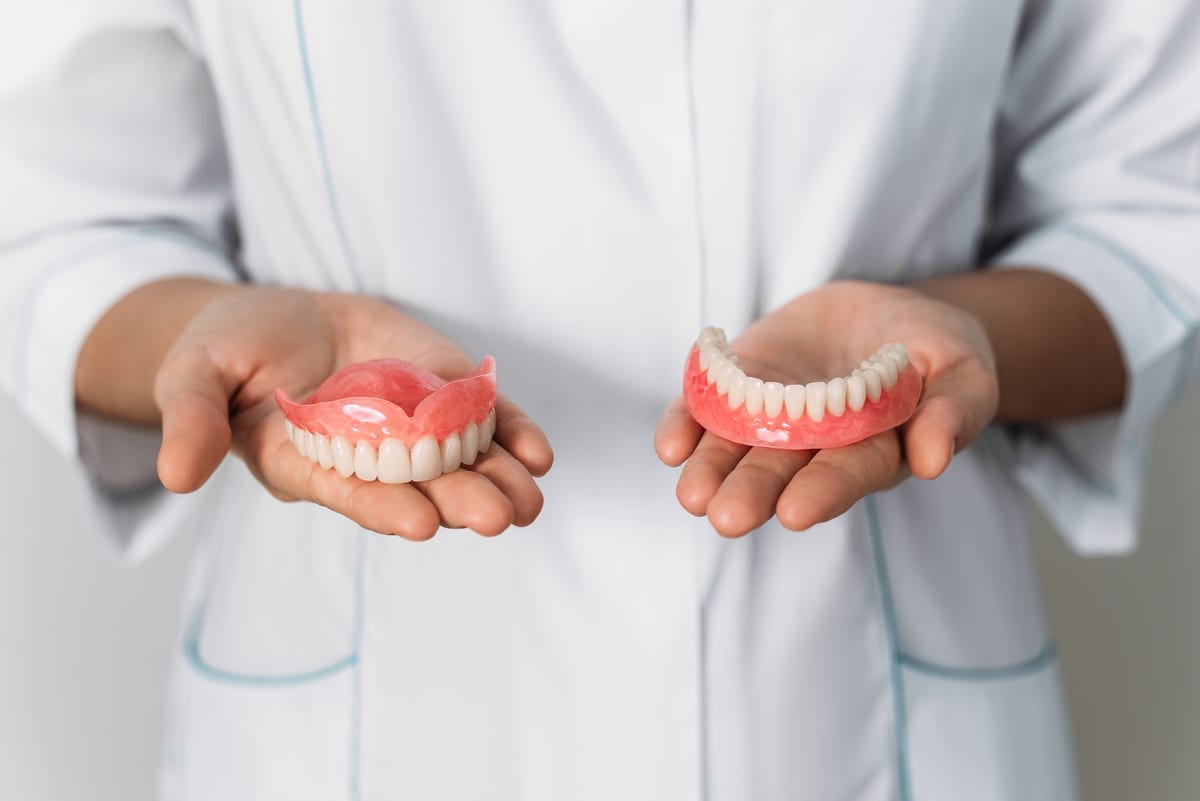
When tooth loss does occur, patients have more options than ever. Traditional dentures remain a reliable and affordable choice for replacing multiple missing teeth. They’ve improved significantly in comfort and appearance over the past decade.
Dental Implants are now a strong option for many older adults. Implants look and feel like natural teeth. They also help preserve jawbone density, which dentures cannot do. Many patients in their 60s, 70s, and even 80s are excellent implant candidates.
Candidacy depends on your bone density, gum health, and overall health status. A thorough evaluation with Dr. Naziri will determine which tooth replacement option fits your specific needs. You don’t have to settle — there’s a solution for every situation.
- Dental implants preserve jawbone and prevent facial sagging
- Implant-supported dentures combine stability with affordability
- Traditional dentures are a non-surgical option for multiple missing teeth
- Dental bridges work well when adjacent teeth are strong
- Early gum disease treatment can prevent tooth loss entirely
Cosmetic and Restorative Options for Aging Smiles
Many seniors assume cosmetic dentistry isn’t for them. That’s simply not true. Improving the appearance of your smile can have a real impact on your confidence and quality of life at any age.
Teeth naturally darken and stain over decades. Professional teeth whitening is safe and effective for most older adults. Cosmetic Dentistry also includes veneers and crowns, which can restore teeth that are worn, chipped, or discolored beyond what whitening can fix.
Dental crowns serve a dual purpose for seniors. They protect weakened teeth from further fracture while also improving their appearance. A tooth with a large old filling, a crack, or significant wear is a strong candidate for a crown.
Veneers are thin porcelain shells bonded to the front of teeth. They can dramatically improve the look of stained or uneven teeth with minimal removal of tooth structure. Ask Dr. Naziri whether veneers might work for your smile goals.
Building a Senior Dental Care Routine That Works
Good habits become even more important after 60. Your teeth have served you for decades — they need consistent care to keep performing. A simple, reliable routine makes a big difference.
Brush twice daily with a soft-bristled brush and fluoride toothpaste. An electric toothbrush can make brushing easier if arthritis affects your hands. Floss once a day — or use a water flosser if traditional flossing is difficult.
Visit Dr. Naziri at least twice a year for professional cleanings and exams. If you wear dentures or have implants, those also need regular professional maintenance. Catching problems early is always easier and less costly than treating advanced issues.
Stay hydrated throughout the day to combat dry mouth. Limit sugary snacks and acidic beverages. And let your dental team know about any new medications or health changes at every visit. Your whole-body health directly affects your oral health.
Frequently Asked Questions
Why do teeth become more sensitive after age 60?
Sensitivity often increases because gum recession exposes root surfaces, which lack the protective enamel found on tooth crowns. Enamel erosion from decades of use also contributes. Desensitizing toothpaste and fluoride treatments can help. Dr. Naziri can identify the specific cause and recommend the right solution for you.
Are dental implants safe for older adults?
Yes, dental implants are safe for most healthy older adults. Age alone is not a disqualifying factor. What matters most is your bone density, gum health, and overall medical status. Dr. Naziri evaluates each patient individually to determine whether implants are the right choice.
How can I manage dry mouth caused by medications?
Staying well-hydrated is the first step. Chewing sugar-free gum stimulates saliva flow. Prescription fluoride rinses can protect teeth when saliva is low. You should also tell Dr. Naziri which medications you take — adjustments to your dental care plan can significantly reduce your cavity risk.
How often should seniors visit the dentist?
Most seniors benefit from dental visits every six months. However, patients with dry mouth, gum disease, or a history of frequent cavities may need visits every three to four months. Dr. Naziri will recommend a schedule based on your specific oral health needs.
Can veneers or crowns help teeth that are worn down with age?
Absolutely. Dental crowns are often the best solution for teeth that are cracked, heavily worn, or weakened by large old fillings. Veneers work well for cosmetic improvements to front teeth that are discolored or slightly uneven. Both options can restore both function and appearance effectively.
Your smile deserves care at every stage of life. Dr. Naziri and the team at Van Nuys Panorama Dental Center are here to help North Hills seniors protect their teeth, address concerns early, and feel confident about their oral health. Book Now to schedule your appointment with our team.