Tooth extractions are common dental procedures, but many patients ask: How long does it really take? A tooth removal may be necessary for several reasons, including a damaged tooth, overcrowding, or other causes. Factors such as tooth type, position, and sedation play key roles in determining the time required for each case.
In Panorama City if you are looking for a tooth extraction, you should know about what the procedure involves and how long you can expect to spend at the dentist’s office. In this blog, Dr. Naziri has discussed all aspects of tooth removal in detail. You will learn the factors that affect how long the procedure and recovery take, and share tips to make the process as smooth as possible.
The Tooth Extraction Process: What to Expect
Several factors determine how long the exodontia process takes. Each extraction involves several factors that can influence how long the procedure takes, including the type of extraction, the location of the tooth, and whether complications occur during removal.
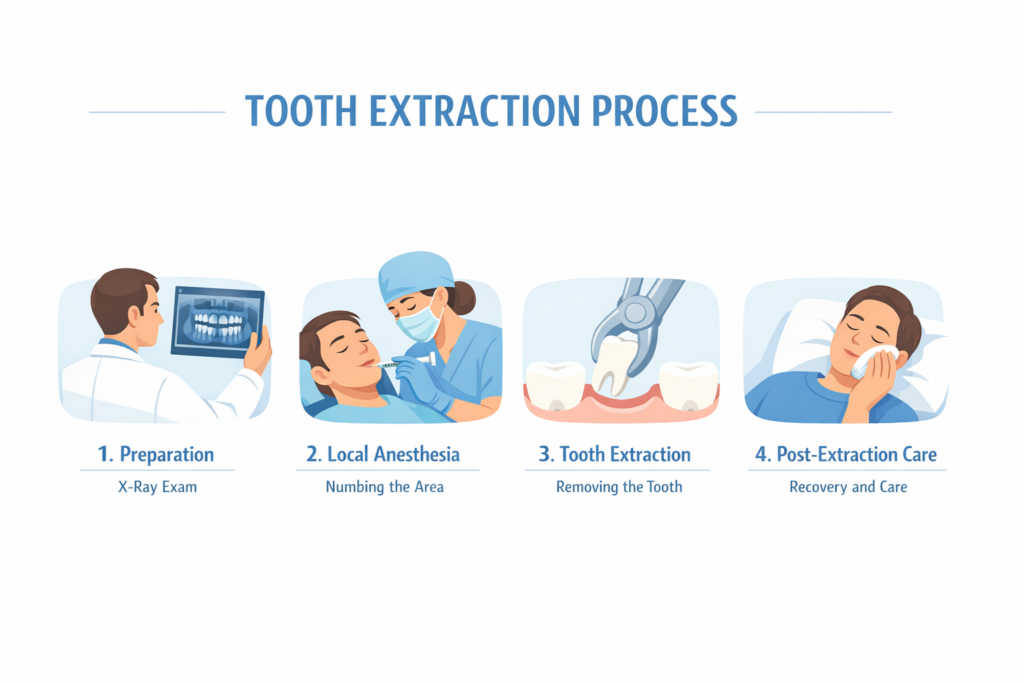
The step-by-step process is explained below:
- Preparation: The dentist will X-ray the tooth and surrounding bone structure before the extraction. This helps in determining the best approach for extracting it. Depending on the complexity take few minutes to half an hour.
- Local Anesthesia: Your dentist will give you a local anesthetic to numb the area around the tooth, so you’re comfortable during the procedure. It usually takes a few minutes. If you’re nervous about the procedure, some patients opt for sedation options as well; they may add a little more time, but can assist with relaxation.
- The Extraction: The extraction procedure differs slightly for fully erupted versus impacted teeth. The extraction of a visible tooth is fairly straightforward and usually takes 20 to 40 minutes. More complicated situations, such as impacted wisdom teeth, can take an hour or longer because the dentist must carefully remove bone or gum tissue before the tooth can be extracted.
- Post-Extraction Care: After extracting your tooth, your dentist will provide instructions for caring for the area where the tooth was removed. Recovery time after the procedure may take several days, but most patients can resume normal activities within a few days.
Factors that Affect How Long a Tooth Extraction Takes
A few factors affect the timing of your tooth extraction in Panorama City. Here are some important factors affecting the timeline:
- Tooth Position: A tooth that sits easily visible and above the gumline is generally easier to extract than a tooth that lies buried below the gums. Wisdom teeth, for example, can take longer to remove since they sit so far back in the mouth and may have developed impacted.
- Extraction Type: The two available forms are simple and surgical. For example, a simple extraction, the tooth is loose and comes out quite easily, usually takes less time than a surgical extraction, when it’s broken or impacted and needs to be taken out in pieces.
- Tooth Health: Extraction can take longer if the tooth is broken or decayed. In those situations, your dentist might need to use specialized tools to fragment the tooth into smaller pieces for extraction.
- Sedation: Depending on the patient, sedation or general anesthesia may also be used in conjunction with a local anesthetic. It has helped patients feel more comfortable and relaxed, especially during complex procedures. The process may take longer, but it can prove quite useful for patients suffering from dental anxiety.
Recovery Time: How Long Will it Take You to Heal?
Once the tooth gets pulled, the process is still not over. Recovery time plays a significant role in the process. While most patients heal in 1 to 2 weeks, healing time may vary depending on the complexity of the extraction. Here’s what you can expect:
- The First Few Days: The immediate post-extraction period is important. You may be advised not to chew on the affected side of your mouth to avoid breaking the stitches; as a result, you might have to follow up on soft food. Swelling and bruising are not unusual, but ice packs and medications can ease the discomfort.
- Long-Term: Initial healing is usually within a couple of weeks, but the entire bone and soft tissue can take several months to be fully healed. Be sure to adhere to your dentist’s aftercare instructions, which may include avoiding smoking and taking any prescribed medications.
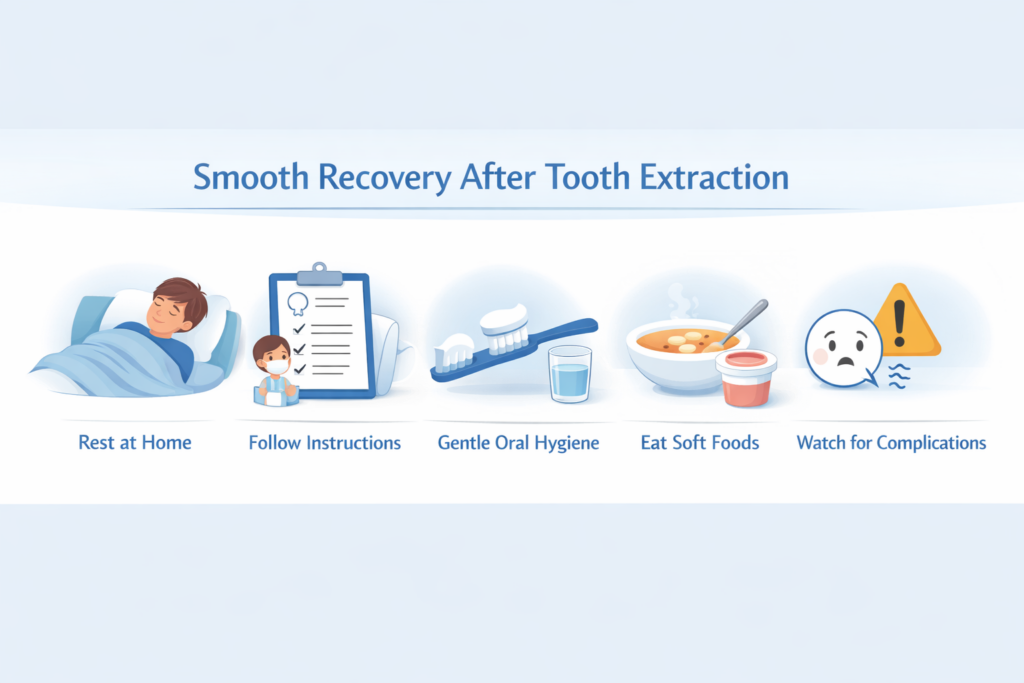
Tips for a Smooth Recovery
As you prepare for your tooth extraction, here are some helpful tips to help with a quicker recovery and reduce discomfort.
- Rest: The first 24 to 48 hours after the extraction are when you need rest the most. Give your body time to recover, and don’t engage in strenuous activities.
- Follow Post-Operative Directions: The dentist will give you detailed aftercare instructions, which may include avoiding certain foods, rinsing your mouth with salt water, and taking prescribed medications. It’s essential to adhere to these guidelines to prevent potential complications.
- Practice Proper Oral Hygiene: While brushing directly above the extraction site is not recommended for a few days, maintaining overall mouth cleanliness is extremely important. Gently brush and rinse with mouthwash to keep the area clean of bacteria.
- Soft Food Diet: In the first recovery phase, you should generally avoid overly irritating foods. Steer clear of foods that are hot, spicy, or hard and may irritate the area where you’re healing.
- Watch for Complications: Though rare, complications such as dry socket or infection can sometimes develop. Staying in touch with your oral surgeon can help you maintain your oral health in such situations. If you feel increased pain, swelling, or any unusual symptoms, contact your dental office immediately.
Ready to Schedule Your Tooth Extraction Appointment?
Knowing what to expect will help the tooth extraction process seem less scary. Whether you are undergoing a simple extraction or something more complex, such as an extraction of an impacted tooth, having an idea of what to expect can help you mentally and physically prepare.
At Panorama City, our team at Van Nuys Panorama Dental Center is ready to assist you with this straightforward but delicate procedure. Call today to schedule an appointment and let Dr. Naziri provide the treatment that will help maintain your smile for many years!
Questions People Ask About Tooth Extraction
How long does the entire tooth extraction procedure take?
A simple tooth extraction typically takes 20 to 40 minutes. However, for complex cases such as impacted teeth, the procedure may take up to an hour. Your dentist will explain the process in detail beforehand.
Is tooth extraction painful?
Tooth extractions are usually painless thanks to local anesthesia. While you may feel pressure, pain is typically minimal during the procedure. Afterward, some discomfort or swelling is normal but can be managed with prescribed medications and proper aftercare.
How long should I wait before eating after a tooth extraction?
Wait at least 1 to 2 hours after the procedure before eating, allowing the anesthesia to wear off. Start with soft foods and avoid hot, spicy, or crunchy items for a few days to prevent irritation of the extraction site.
Can I brush my teeth after a tooth extraction?
You should avoid brushing the extraction site for a few days. However, it’s important to maintain good oral hygiene by brushing gently around the area and rinsing with saltwater to help keep the site clean and promote healing.
What should I do if I notice swelling after my tooth extraction?
Swelling is a common side effect after a tooth extraction. Apply an ice pack for 15-20 minutes every hour during the first day. If swelling persists or worsens, contact your dentist to rule out complications like infection.
When can I return to normal activities after a tooth extraction?
Most patients can resume normal activities within 1 to 2 days after the procedure. Avoid strenuous exercises for about a week to prevent disturbing the healing site. Follow your dentist’s aftercare instructions for optimal recovery.