Most people brush and floss daily and still end up with gum disease. That is not a failure of effort. It is a biology problem. Bacteria hide in places your toothbrush simply cannot reach. At Van Nuys Panorama Dental Center, Dr. Naziri helps patients in Panorama City, CA understand what lurks below the gumline — and how to stop gum disease before it starts with consistent professional care.
Why Bacteria Below the Gumline Are So Dangerous in Van Nuys
Your mouth contains hundreds of bacterial species. Most are harmless. Some, however, thrive in the low-oxygen environment beneath your gumline. These harmful bacteria form a sticky film called plaque. When plaque stays undisturbed, it hardens into tartar within just 24 to 72 hours.
Tartar cannot be removed with a toothbrush or floss. Only professional dental instruments can break it down. Once tartar builds up below the gumline, it creates a rough surface. That rough surface lets even more bacteria cling and multiply rapidly.
The immune system responds to this bacterial invasion with inflammation. That inflammation is the beginning of gum disease. Over time, it destroys the tissue and bone holding your teeth in place.
The Two Stages of Gum Disease You Need to Know
Gum disease progresses in stages. Understanding both stages helps you act before serious damage occurs.
Gingivitis is the first stage. It causes red, swollen, and bleeding gums. Many patients notice bleeding when they brush. Gingivitis is entirely reversible with professional cleanings and improved home care. At this stage, no permanent damage has occurred yet.
Periodontitis is the advanced stage. The infection spreads below the gumline and into the bone. Pockets form between the gums and teeth. Teeth may loosen or shift. This stage requires more intensive treatment and causes permanent tissue loss.
- Gingivitis: Red, puffy gums that bleed easily
- Gingivitis: Reversible with professional cleaning
- Periodontitis: Deep pockets forming around teeth
- Periodontitis: Bone loss that cannot be restored
- Periodontitis: Possible tooth mobility or tooth loss
The window to stop gum disease before it progresses is wide open at the gingivitis stage. That is why regular professional cleanings matter so much.
How Professional Cleanings Interrupt the Gum Disease Cycle
A professional teeth cleaning does far more than polish your smile. It removes the tartar buildup that feeds harmful bacteria. Dr. Naziri and the team at Van Nuys Panorama Dental Center target the areas you cannot clean at home.
During a standard cleaning, a dental hygienist uses specialized tools to scale tartar from above and just below the gumline. This process disrupts the bacterial colonies causing inflammation. It also gives your gum tissue a chance to heal and reattach properly.
For patients with early gum disease, a deeper procedure called scaling and root planing may be recommended. This reaches farther below the gumline. It smooths the root surfaces to prevent bacteria from reattaching quickly.
- Removes hardened tartar your brush cannot touch
- Disrupts harmful bacterial colonies near the gumline
- Reduces inflammation and allows tissue healing
- Helps your gums reattach snugly around each tooth
- Gives Dr. Naziri a chance to spot early warning signs
The key is frequency. Most adults benefit from cleanings every six months. Patients with active gum disease may need visits every three to four months.
What Happens to Your Overall Health When Gum Disease Goes Untreated
Gum disease is not just a mouth problem. Research consistently links untreated periodontitis to serious systemic health conditions. The bacteria from infected gums can enter the bloodstream. Once there, they trigger inflammatory responses throughout the body.
Studies have associated advanced gum disease with increased risk of heart disease, diabetes complications, and stroke. Pregnant patients with untreated gum disease face higher risks of preterm birth. These connections underscore how critical gum health truly is.
Patients in Van Nuys and Panorama City who invest in regular cleanings are protecting more than their smiles. They are actively supporting their overall long-term health. Prevention is always more effective than treatment after damage has occurred.
Beyond health, gum disease affects your confidence. Receding gums and tooth loss change your appearance significantly. Patients exploring Cosmetic Dentistry options often discover that their gum health needed to be addressed first before any aesthetic improvements could begin.
Protecting Your Gumline at Home Between Visits
Professional cleanings reset your oral environment. What you do at home maintains that reset between appointments. Dr. Naziri recommends a consistent daily routine for every patient.
Brush for two full minutes twice a day. Use a soft-bristled toothbrush and fluoride toothpaste. Angle your brush slightly toward the gumline to clean just beneath it. Replace your toothbrush every three months.
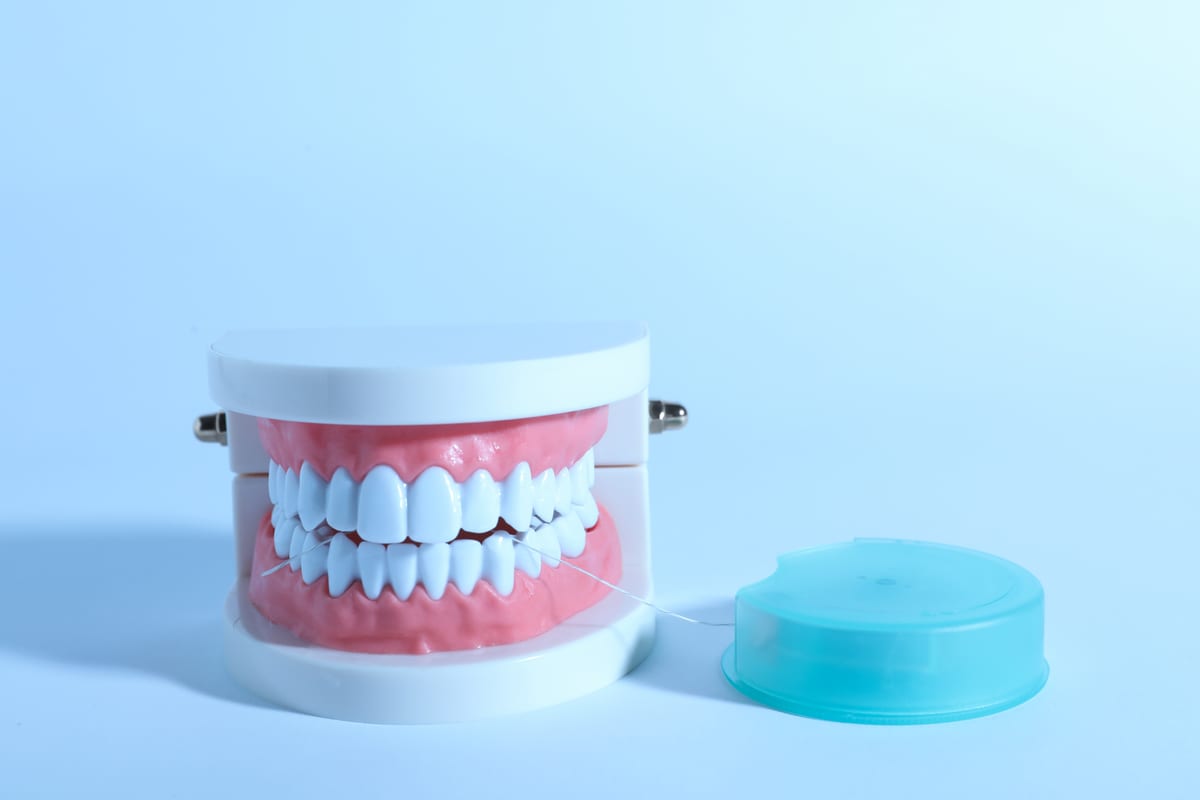
Floss at least once daily. Flossing removes plaque from between teeth where brushes cannot reach. Slide the floss gently below the gumline in a C-shape around each tooth. An antimicrobial mouthwash can also help reduce bacterial load between brushings.
Lifestyle choices matter too. Smoking dramatically increases gum disease risk and slows healing. A diet high in sugar feeds the harmful bacteria in your mouth. Staying hydrated helps maintain healthy saliva flow, which naturally protects your gums.
When Tooth Loss Becomes a Reality: What Comes Next
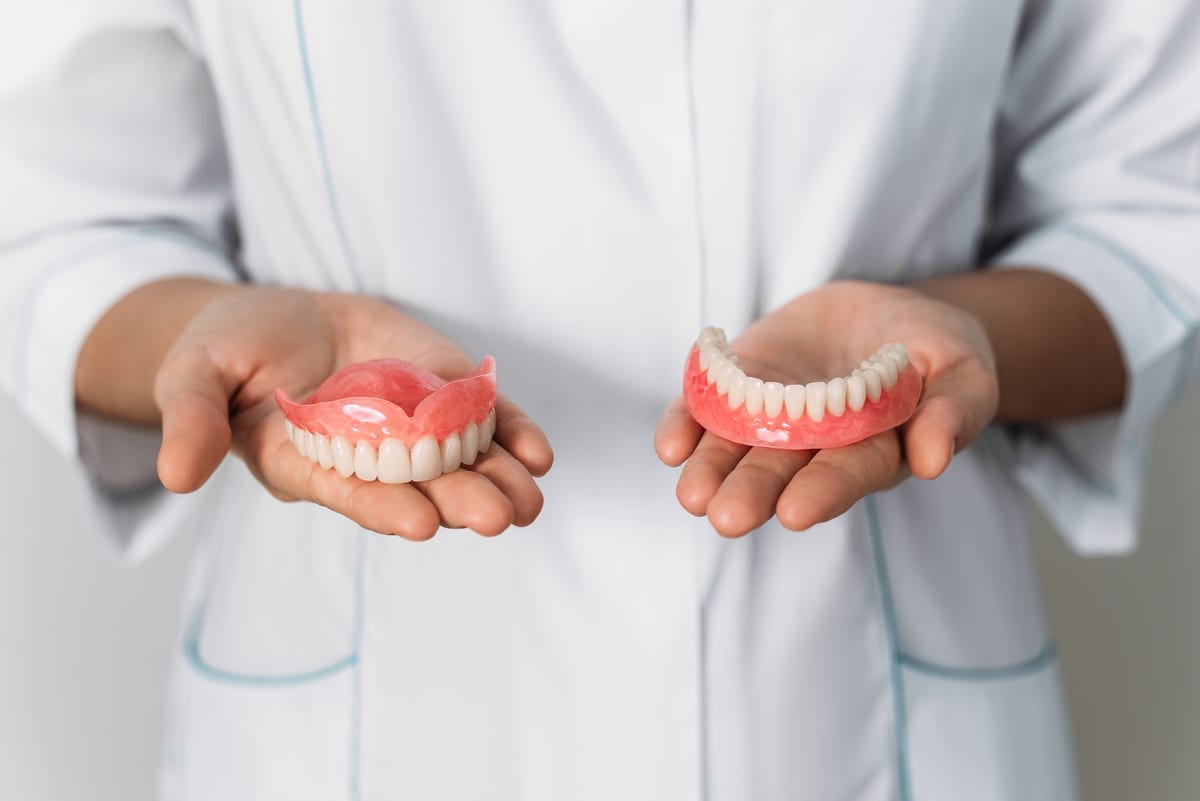
Even with the best care, some patients experience tooth loss from advanced gum disease. Losing a tooth affects your bite, your bone structure, and your confidence. The good news is that modern dentistry offers highly effective solutions.
Dental Implants are considered the gold standard for replacing missing teeth. They integrate directly into the jawbone, preserving bone density and providing a stable, natural-looking result. Dr. Naziri evaluates each patient individually to determine the best restorative approach.
Addressing gum disease is always the first step before any restoration. Implants and other restorations require a healthy gum foundation to succeed long-term. That is why stopping gum disease before it starts protects not just your current teeth but your future treatment options too.
Schedule Your Gum Health Evaluation at Van Nuys Panorama Dental Center
You do not have to wait for pain or bleeding to take action. Gum disease often develops silently, without noticeable symptoms in its early stages. A professional evaluation with Dr. Naziri gives you a clear picture of where your gum health stands right now.
Patients across Panorama City, Van Nuys, and the surrounding area trust Van Nuys Panorama Dental Center for thorough, compassionate care. Early intervention is the most powerful tool against gum disease. Do not let bacteria below your gumline go unchecked any longer.
Your gums support every tooth in your mouth. Protecting them is one of the smartest investments you can make in your overall health. Book Now to schedule your appointment with our team.
Frequently Asked Questions
How do I know if I have gum disease?
Common early signs include red or swollen gums, bleeding when you brush or floss, and persistent bad breath. Some patients notice no symptoms at all in the earliest stages. That is why a professional evaluation with Dr. Naziri is the most reliable way to detect gum disease early and stop it before serious damage occurs.
How often should I get a professional teeth cleaning?
Most healthy adults should receive a professional cleaning every six months. Patients who already have signs of gum disease may need more frequent visits — typically every three to four months. Dr. Naziri will assess your individual gum health and recommend the schedule that best protects you.
Can gum disease be reversed?
In its earliest stage, called gingivitis, gum disease is fully reversible with professional cleaning and improved home care. Once it advances to periodontitis, the tissue and bone damage cannot be fully reversed. However, the progression can be stopped and managed effectively with consistent professional treatment.
Is gum disease connected to other health problems?
Yes. Research links untreated gum disease to increased risks of heart disease, stroke, diabetes complications, and pregnancy complications. Harmful bacteria from infected gums can enter the bloodstream and trigger inflammation throughout the body. Maintaining healthy gums supports your overall systemic health, not just your smile.
What is the difference between a regular cleaning and deep cleaning?
A regular cleaning removes plaque and tartar from above and just at the gumline. A deep cleaning, known as scaling and root planing, reaches farther below the gumline to remove buildup from the tooth roots. Deep cleaning is recommended when gum pockets have formed and bacteria have penetrated deeper tissue. Dr. Naziri will determine which type of cleaning your gum health requires.